

Ground control notes
What actually happens when you leave
The brand was founded on one question. Here is the honest answer, and the enrichment plan that fixes it.
We founded Petgravity on a single question: what happens to pets when their owners aren't home? The unglamorous answer, courtesy of pet cameras everywhere: mostly sleep — but not only sleep. The waking hours of a solo indoor cat are where the trouble lives: window vigils that tip into frustration, fixation on the door, over-grooming, and the classic redecorated-couch discovery at 6 p.m.
Boredom in cats is not a mood, it is a stressor. A predator built to run several hunting sequences a day, given zero, does not become calm — it becomes either destructive or withdrawn, and both get mistaken for personality. The fix is not more toys in a basket; it is motion that happens without you.
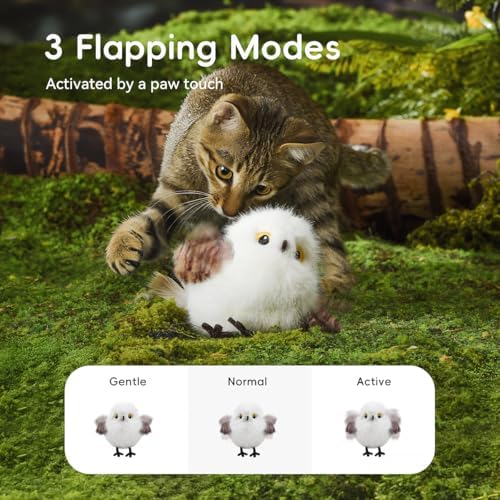
A realistic absent-hours plan looks like this: one wake-on-touch toy on the floor (a Sprint ball in smart mode waits silently until a pat relaunches it — five minutes of hunt, then rest), one ambush plush somewhere new each morning (a flopping fish behind the armchair is a different hunt than the same fish in the toy basket), and water worth visiting, because a drinking trip is also an activity.
Then close the loop when you return: one real play session with a wand or a thrown ball, ending in a catch. The motion toys carry the day shift; the finished hunt at night is what turns a managed cat into a satisfied one.