

Ground control notes
Why motion toys work — the physics of the pounce
The hunt is a circuit: stalk, chase, catch, kick. Motion toys close it — here is what to look for and what to skip.
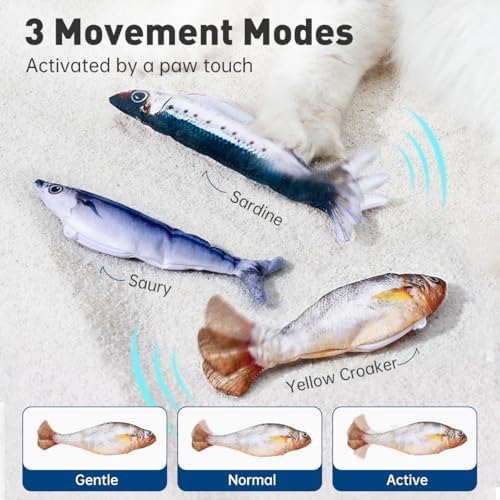
A cat's play is not entertainment in the human sense — it is a hunting circuit looking for somewhere to fire. Stalk, chase, catch, bite, kick: when the whole sequence completes, you get a satisfied cat and an intact sofa. When it half-fires all day with nothing to close it, you get 3 a.m. hallway sprints and ambushed ankles.
Motion is the trigger the circuit is wired for. A stationary toy, however beloved, reads as scenery within a day; a toy that moves on its own — or better, moves in response to a touch — reads as prey. This is why the tap-activated pattern matters more than raw motor power: prey that reacts to the cat is far more convincing than prey that simply runs a program.
Randomness is the second ingredient. Cats build prediction models terrifyingly fast, and a toy that repeats the same arc every four seconds is solved and abandoned by Tuesday. Wave-textured shells, multiple modes and standby-then-wake behavior all exist to break the pattern — a ball that pauses, drifts and relaunches when patted keeps the model unsolvable.
The practical routine: keep two or three motion toys in rotation rather than all on the floor at once, retire each one for a few days after it stops drawing pounces, and let the cat finish the sequence — a real catch, a real bite, a real kick — before you pick the toy up. An unfinished hunt is exactly as frustrating as it sounds.